News Article
Meet the Team: Camilla Jeppesen and the Engineering Behind Offshore Project Management
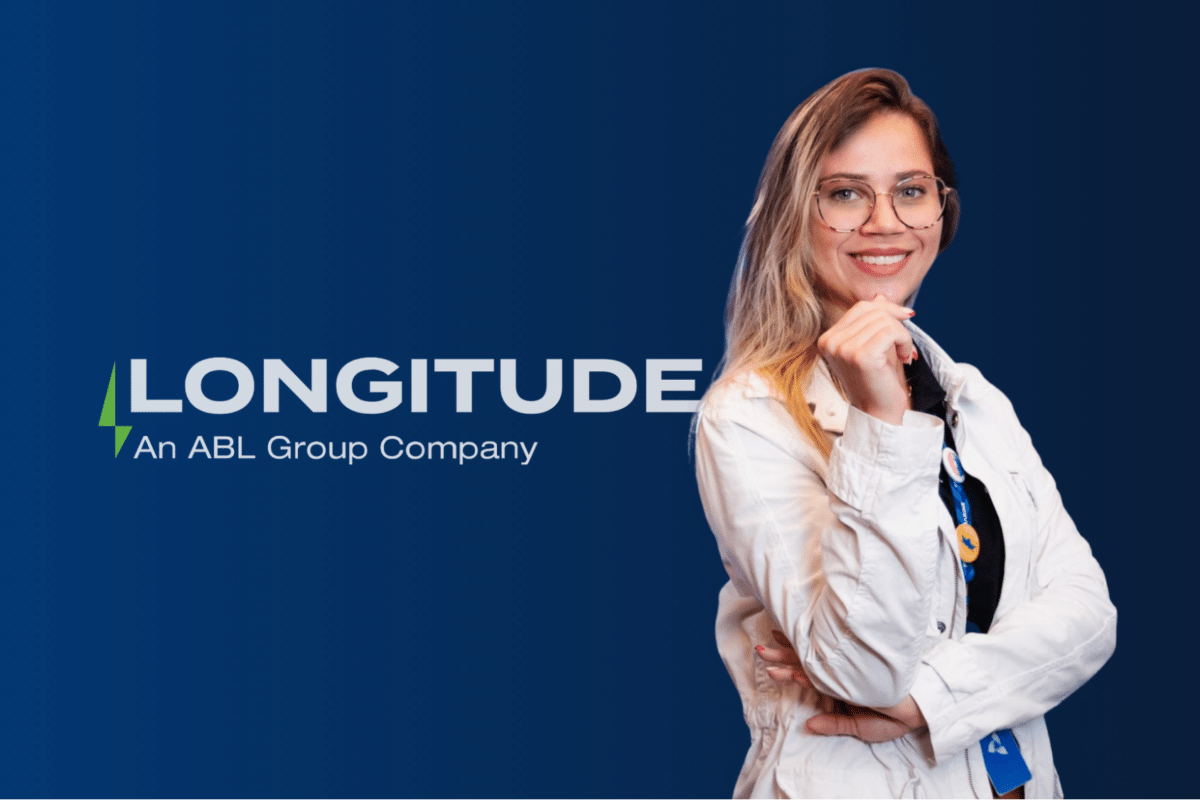
Position: Project Coordination
Location/Office: Rio de Janeiro
Favorite Book, Movie, or Song: I don’t have a single favorite; I have an eclectic style, and my tastes change from time to time (sometimes even throughout the same day, lol).
Hobbies Outside of Work: I enjoy playing volleyball, going to the beach, and also doing “nothing” (that moment when you put a series on the TV but don’t force yourself to pay attention).
Naval Engineering and Project Management in the Offshore Sector
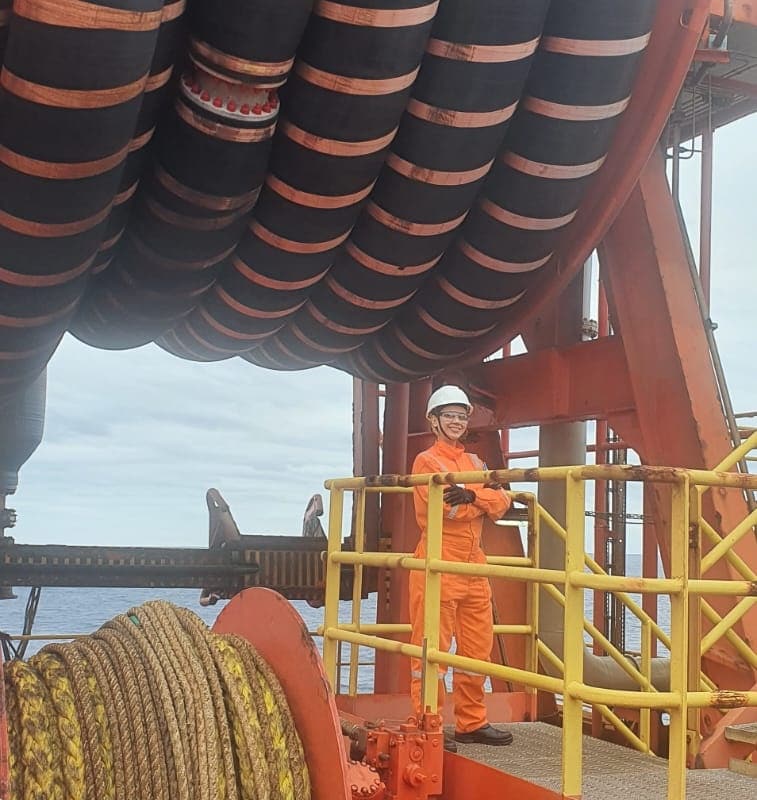
In the offshore sector, every project involves multiple engineering disciplines, complex technical interfaces, and decisions that must balance safety, deadlines, and costs. At Longitude, professionals like Camilla Jeppesen, a naval engineer and coordination assistant at the Rio de Janeiro office, work directly within this challenge. Her role connects engineering, clients, and multidisciplinary teams to ensure each project progresses in a structured and efficient manner.
A Dynamic Routine Between Engineering and Clients
In her professional routine, Camilla maintains direct contact with clients and monitors various types of projects throughout their development. Depending on the demand, her work can range from on-board visits for 3D scanning of offshore units to the development of complex engineering designs. Some of her most common activities include:
-
Technical studies for offshore units
-
Projects related to FPSOs
-
Regulatory and bidding processes
-
Coordination between different engineering disciplines
This diversity ensures that every project presents unique technical challenges.
From Engineering to Project Coordination
Her choice of engineering began even before university. An interest in mathematics and exact sciences, combined with family influence—an uncle who is a naval engineer—helped guide Camilla toward the field. Initially enrolled in Metallurgical Engineering, she decided to switch to Naval Engineering during her freshman year, a decision that proved to be a turning point in her career path.
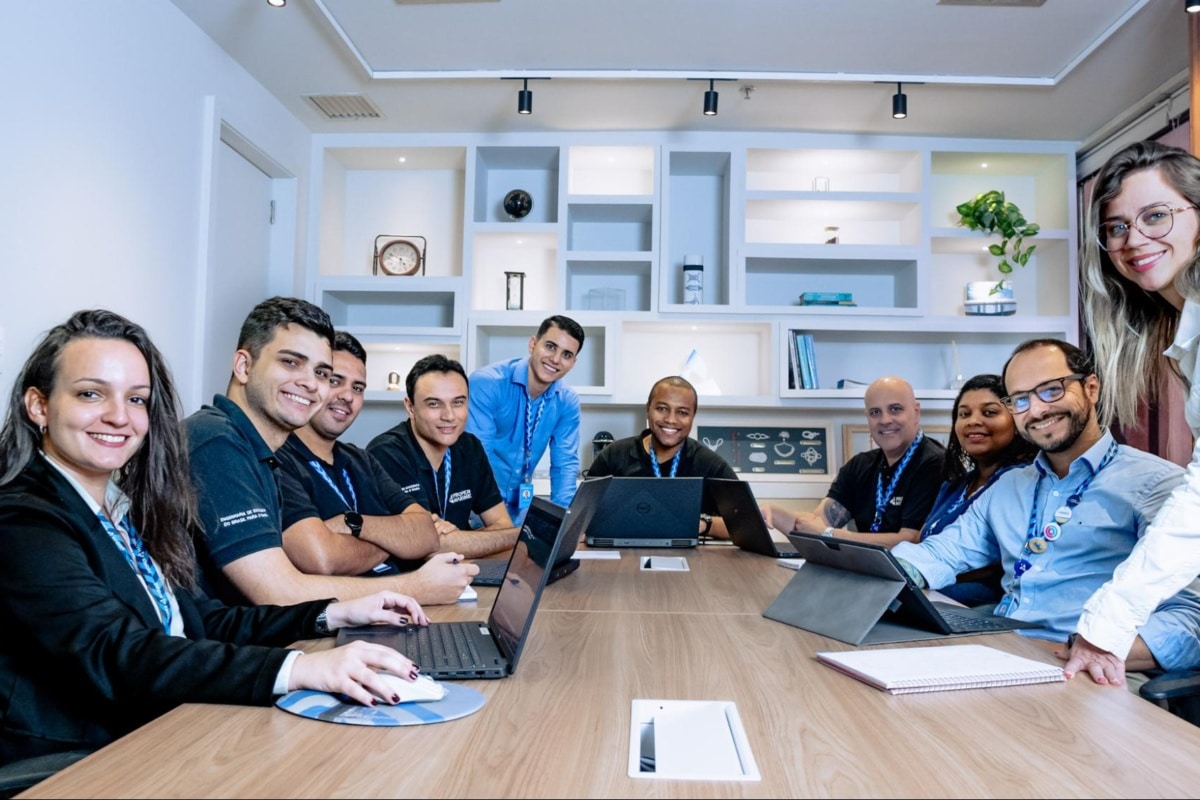
At Longitude, she began her career as an intern and, over time, gradually took on new responsibilities. With professional growth and the support received within the company, her transition into project management emerged naturally.
Career-Defining Projects
Among the most significant projects in her trajectory, two moments stand out. The first was when she coordinated a project independently for the first time: the seafastening of two manifolds—large-scale equipment that required specific structural solutions. Beyond the technical challenges, this project involved direct interface with a classification society, increasing the level of responsibility and learning.
Another special moment occurred during a project in Denmark—her family’s country of origin. The experience brought together two important elements of her life: connecting with her roots and the opportunity to work professionally in her chosen field.
Current Projects and Technical Challenges
Currently, Camilla is involved in projects related to increasing POB (Personnel On Board) on FPSOs. These projects require strong integration across different engineering areas, such as:
-
Naval Architecture
-
Structures
-
Piping
-
Electrical Systems
Coordinating these interfaces is fundamental to ensuring that solutions are both viable and safe.
Trends for Offshore Project Management
For Camilla, certain trends are already clear in the Brazilian offshore sector:
-
Disciplinary Integration: Increasingly multidisciplinary projects require structured technical coordination.
-
Use of Digital Technologies: Tools like 3D scanning and digital models help reduce uncertainty and improve decision-making.
-
Pressure for Efficiency: With increasingly challenging deadlines and costs, project management must be more strategic and agile.
Engineering and Management Working Together
In the offshore sector, robust project management is essential to reduce risks and increase predictability. With complex assets, critical deadlines, and high costs, proper planning allows for the anticipation of problems, organization of interfaces, and ensures technical solutions are implemented efficiently. When engineering and management walk hand-in-hand, the result is greater safety for the client and a higher probability of project success.
Culture and Collaboration
Beyond technical challenges, Camilla highlights a fundamental aspect of the company culture: mutual support. One of the values that has impacted her the most since the beginning is “Navigate Together,” reflecting the importance of collaboration within teams. Now working in a coordination role, she seeks to replicate that same support for her colleagues and contribute to the team’s development.
If she had to define Longitude in three words, her answer would be simple: Work. Dedication. Team.