
Case Study
Home » Case Studies »
Pull-Out Engineering in an Offshore Decommissioning Campaign
Longitude Brazil provided on-site engineering and supervision to support the planning and operational preparation for a riser and umbilical pull-out on a production unit.
Pull-out Engineering for Offshore Decommissioning Campaigns in Brazil
About the Project
Longitude Brazil supported an offshore decommissioning campaign focused on the planning and operational preparation for riser and umbilical pull-out activities on a production unit. The project covered everything from assessing the condition of the connection systems to defining safe strategies for disconnection, isolation, and line recovery.
In campaigns of this kind, pull-out engineering plays a key role in ensuring that risers and umbilicals can be removed safely, with operational control and full integration between offshore, subsea, and marine work scopes. In this case, complexity was increased by the condition of the existing components, the need for rigorous validation of safety barriers, and the adaptation of the execution methodology throughout the campaign.
Scope of Work
Longitude’s role in this decommissioning engineering project included technical and operational support for the critical phases of the campaign, with a focus on safety, execution feasibility, and the reduction of offshore operational impacts.
The scope included:
- assessment of topside connection systems and hang-off structures;
- analysis of the condition of spools, flanges, and fastening elements affected by advanced corrosion;
- planning of disconnection activities and definition of the system isolation strategy;
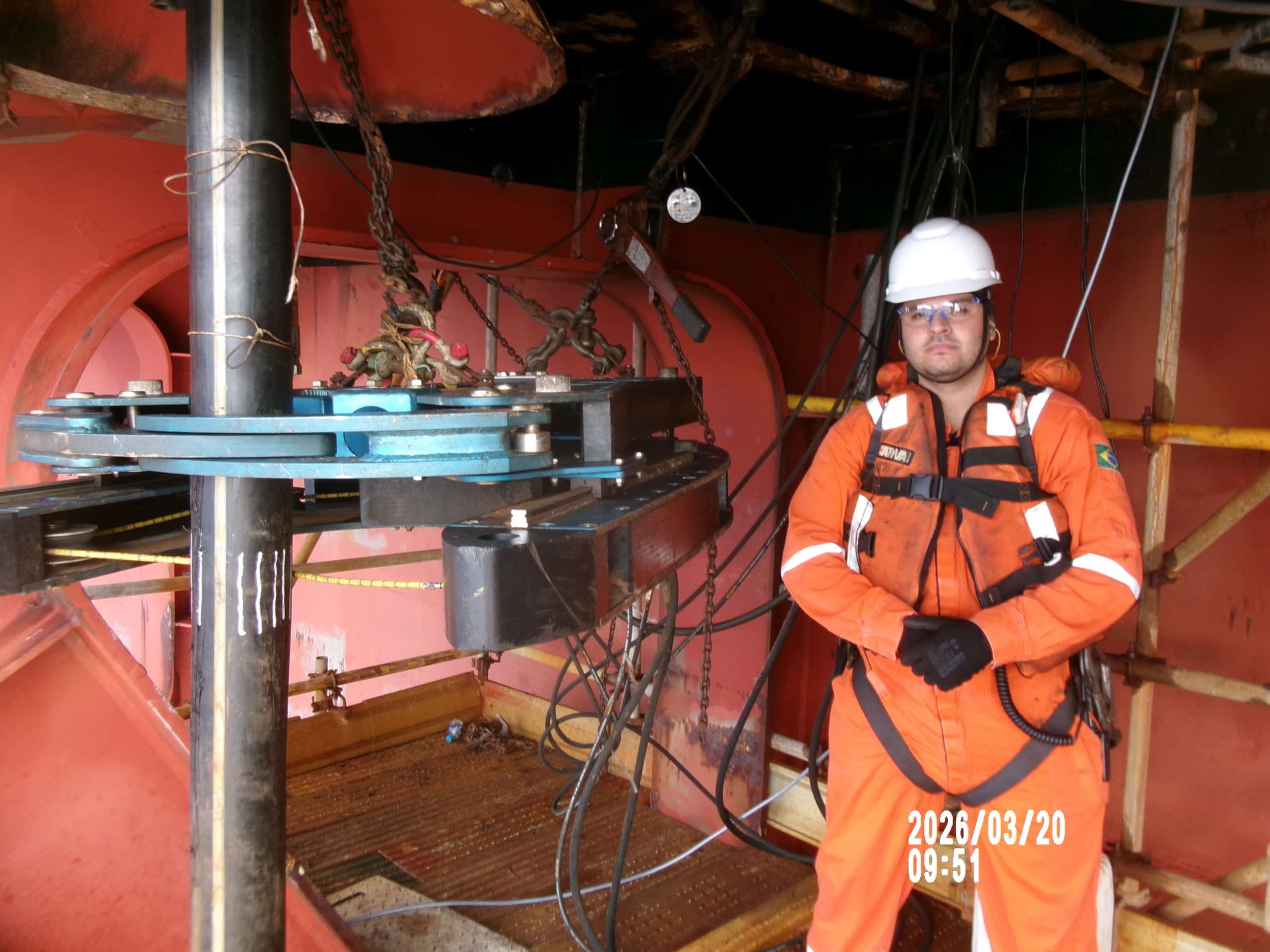
- preparation for riser pull out and umbilicals pull out operations, including installation of the pulling head and lifting assembly;
- interface with the support vessel and offshore teams to optimise execution and reduce campaign downtime;
- support for subsea activities prior to line recovery, including cleaning, release of mechanical restraints, and pull-out preparation;
- review of safety barriers and operational requirements for critical activities, including hot work and SIMOPS;
- reassessment of the execution methodology following an operational event, with the adoption of an alternative approach to enable campaign continuity.


Project Challenges
As is common in decommissioning engineering projects, the campaign presented significant field challenges. These included:
- Advanced degradation of fastening elements
- Presence of residual hydrocarbons within the lines
- Limitations imposed by offshore environmental conditions
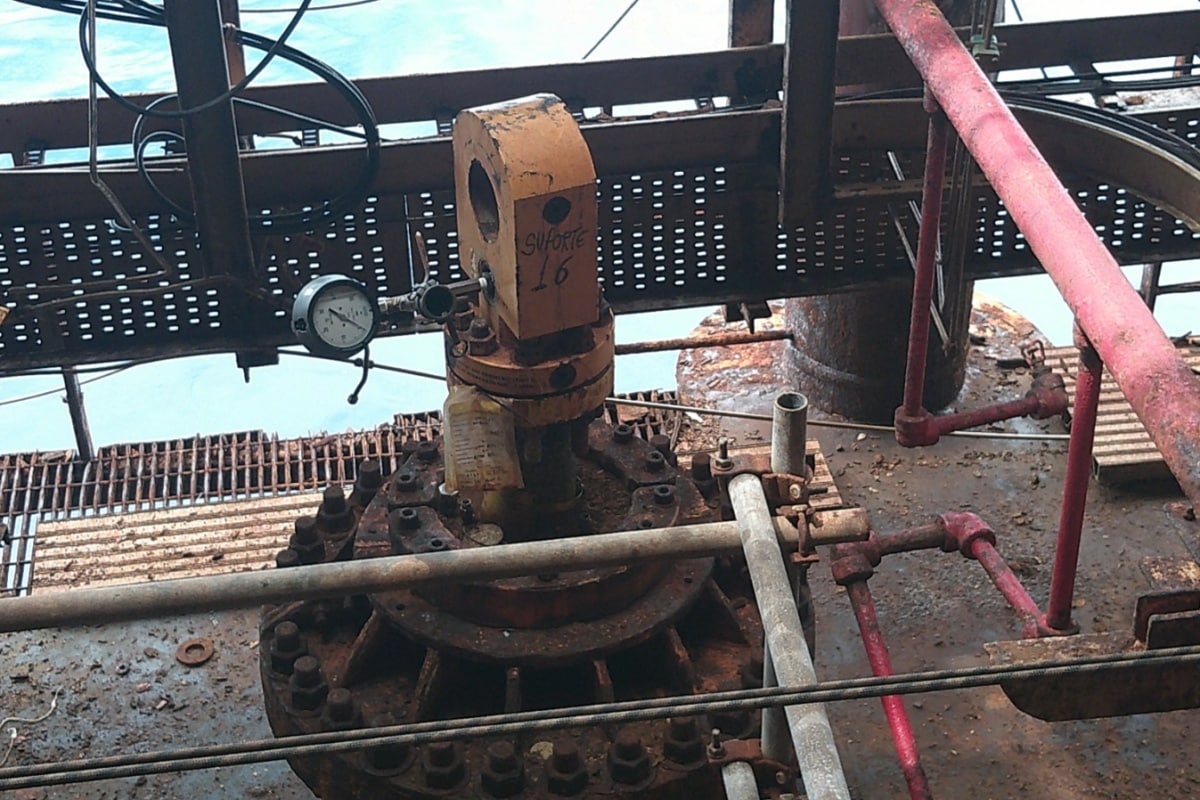
These factors required not only adherence to procedures, but also technical and operational adaptability. The campaign demonstrated the importance of validating the actual effectiveness of system isolation in the field and reinforcing the integration between engineering, safety, and offshore execution before higher-criticality activities.
The Results
The review of the execution strategy enabled the campaign to move forward with greater operational control and safety, incorporating alternative methods for cutting and recovering the lines, as well as additional measures for decontamination, depressurisation, and environmental monitoring.
More than simply supporting the execution of a pull-out engineering campaign, the project generated important lessons for future offshore decommissioning initiatives, especially in areas such as independent barrier validation, contingency planning for deteriorated components, and the management of risks associated with the removal of risers and umbilicals from mature assets.
Your project. The value we can bring.
Longitude added value to the project by combining engineering expertise with a practical understanding of real offshore execution conditions. This approach supported the delivery of a safer, more responsive, and technically robust campaign for riser pull out and umbilicals pull out activities.
The Value we Delivered
An integrated decommissioning engineering approach.
Comprehensive support for the planning and preparation of the pull-out engineering operations.
Focus on isolation, operational safety and execution readiness.
Ability to adapt methodology in response to field risks and constraints.
Coordination across offshore, subsea, and marine logistics interfaces.